Harnessing Your Immune System to Fight Cancer
Checkpoint inhibitors, monoclonal antibodies, and therapeutic vaccines offering new hope for cancer patients
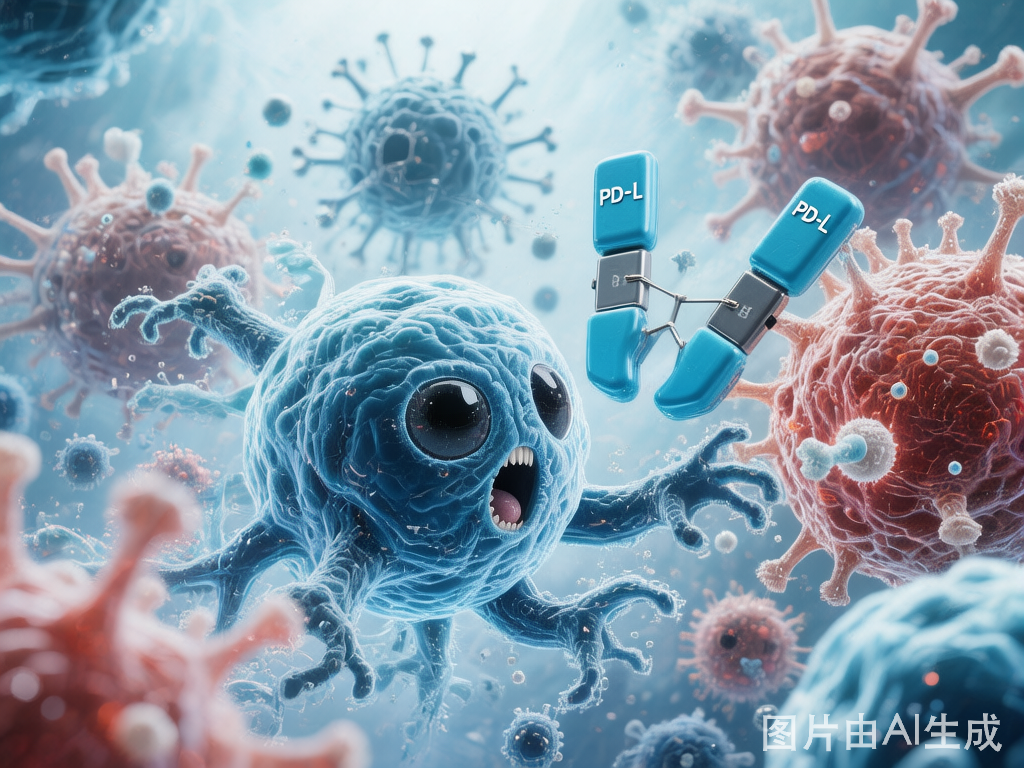
What is conventional immunotherapy?
Cancer immunotherapy is a treatment approach that activates the patient's own immune system to recognize and destroy cancer cells. Unlike traditional chemotherapy that directly kills cancer cells, immunotherapy "releases the brakes" on the immune system, allowing it to fight cancer more effectively.
Cancer cells often use "immune escape" mechanisms to hide from the immune system. Immunotherapy drugs help overcome this by blocking these escape pathways, restoring the immune system's ability to detect and eliminate cancer cells.
Back to Therapies Contact UsTypes of Immunotherapy
Various immunotherapy approaches to suit different cancer types and patient needs
Immune Checkpoint Inhibitors
PD-1/PD-L1 inhibitors "release the brakes" on T cells, restoring their cancer-fighting ability. CTLA-4 inhibitors activate T cell immune response. These are the most commonly used immunotherapy drugs.
Monoclonal Antibodies
Precisely target tumor antigens or microenvironment targets. Can mark cancer cells for immune destruction or block growth signals that cancer cells need to proliferate.
Therapeutic Vaccines
Activate specific immune responses against tumors. Examples include HPV vaccines for cervical cancer prevention and treatment.
Cytokine Therapy
Directly enhance immune cell activity. Used for melanoma, kidney cancer, and other malignancies with proven efficacy.
China's Immunotherapy Leadership
China has emerged as a global leader in immunotherapy development and clinical application
(35% of global total)
Approved
PD-L1 High Patients
Treatment Indications
-
Non-Small Cell Lung Cancer
One of the most successful applications of immunotherapy with high response rates
-
GI Cancers
Gastric, esophageal, colorectal (MSI-H/dMMR), and liver cancers
-
Melanoma
First-line treatment for advanced or metastatic melanoma
-
Other Solid Tumors
Head and neck squamous cell carcinoma, renal cancer, bladder cancer, Hodgkin lymphoma
Key Advantages
-
Precise Targeting
Minimal damage to normal cells with mild side effects
-
Durable Response
Can induce immune memory for long-term cancer control
-
Broad Application
One drug can potentially treat multiple cancer types
-
Combination Potential
Can be combined with chemotherapy, radiation, or targeted therapy
Explore Immunotherapy Options
Contact us for personalized immunotherapy consultation
Speak with Our Care Team