Regenerative Therapy Research for Type 2 Diabetes
Exploring regenerative approaches to support pancreatic beta-cell function

What is Stem Cell Therapy for Diabetes?
With more than 420 million people living with type 2 diabetes worldwide, stem cell research is opening new possibilities for selected patients. Unlike standard medication-centered approaches, investigational stem cell therapies aim to support pancreatic function and improve metabolic control in carefully evaluated cases.
Umbilical cord mesenchymal stem cells (UC-MSCs) are the primary cell type used in clinical applications. These cells can differentiate into insulin-producing beta cells, rebuild insulin secretion function, and improve the pancreatic microenvironment through paracrine signaling.
Back to Therapies Contact UsTherapeutic Benefits
Stem cell research is being studied for selected type 2 diabetes care pathways
Beta-Cell Function Support
Stem cell-based approaches are being studied for their potential to support beta-cell function and protect remaining pancreatic activity.
Improve Insulin Resistance
Regulate chronic inflammatory microenvironment, reduce inflammatory factors, and inhibit autoimmune attacks on pancreatic islets.
Reduce Complications
Simultaneously improve fatty liver, dyslipidemia, and vascular lesions, significantly reducing risk of kidney disease and retinopathy.
High Safety Profile
UC-MSCs from newborn umbilical cords have minimal immunogenicity with no serious adverse events reported globally.
Clinical Trial Results
Landmark studies from PLA General Hospital (301 Hospital) and other institutions
After 9 Weeks
Improvement
Medication >50%
Off Medication
China's Global Leadership
-
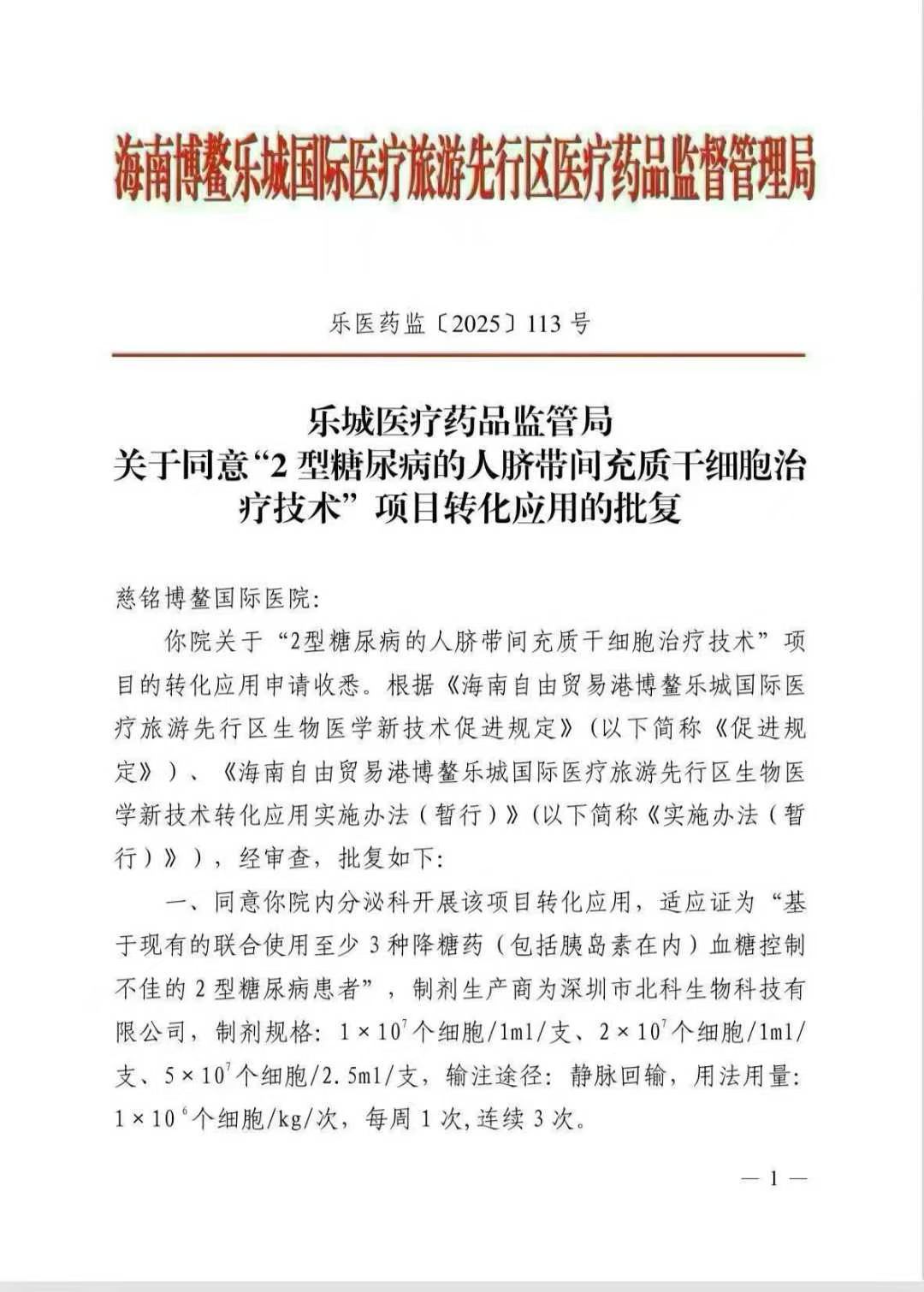
First to Approve & Apply
China is the first country to achieve large-scale clinical application of stem cell therapy for Type 2 diabetes
-
2 Drug Approvals
Two dedicated stem cell drugs approved by NMPA for clinical trials, including HF001 gene-modified stem cell injection
-
World-Class Research
CAS team solved three global challenges in islet organoid maturation and vascularization, published in Cell Discovery
-
Richest Clinical Data
Over 200 clinical studies with 5000+ subjects - largest dataset globally
Explore Stem Cell Therapy Options
Contact us for personalized consultation on stem cell treatment for diabetes
Speak with Our Care Team