Mr. B (pseudonym), a critically injured patient from Mongolia, completed three months of treatment and rehabilitation at Beijing Jishuitan Hospital and returned home with his family.
Case Profile
- Condition
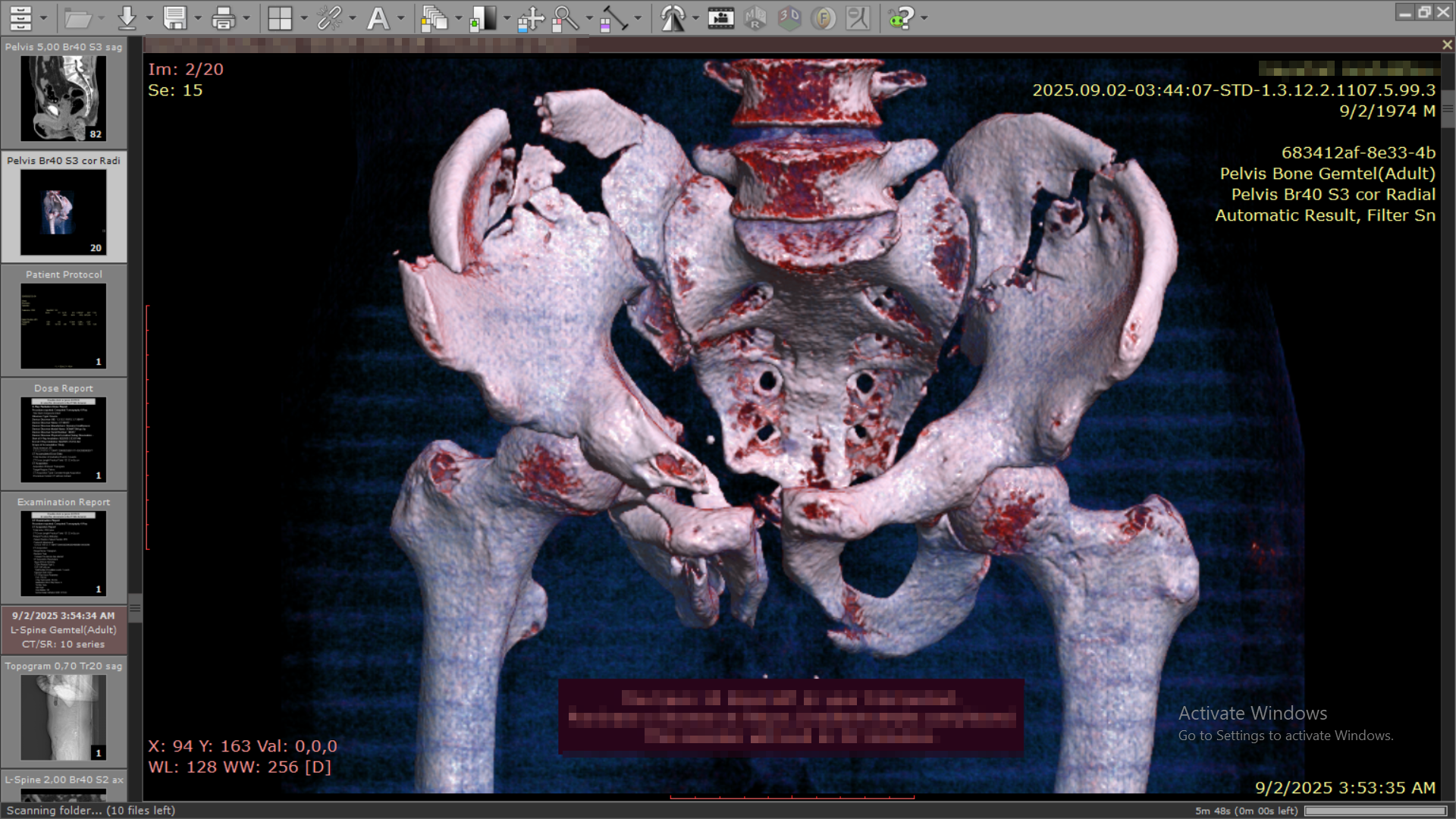
- Bilateral comminuted pelvic fractures and bladder rupture
- Patient
- Mr. B
- Age
- Not disclosed
- Hospital
- Beijing Jishuitan Hospital
- Nationality
- Mongolia
Case Overview
Mr. B (pseudonym), a critically injured patient from Mongolia, completed three months of treatment and rehabilitation at Beijing Jishuitan Hospital and returned home with his family.
Cause & Challenge
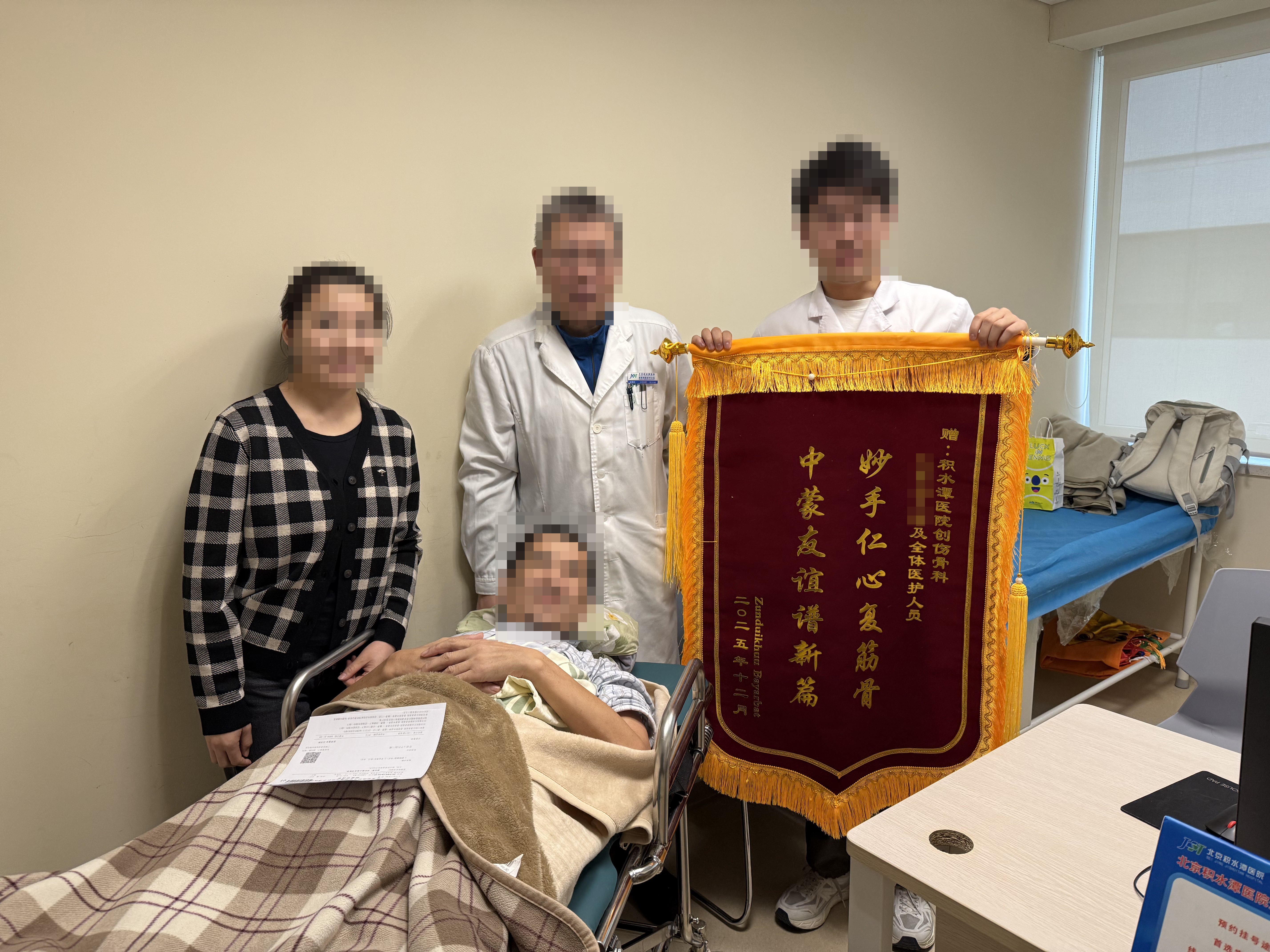
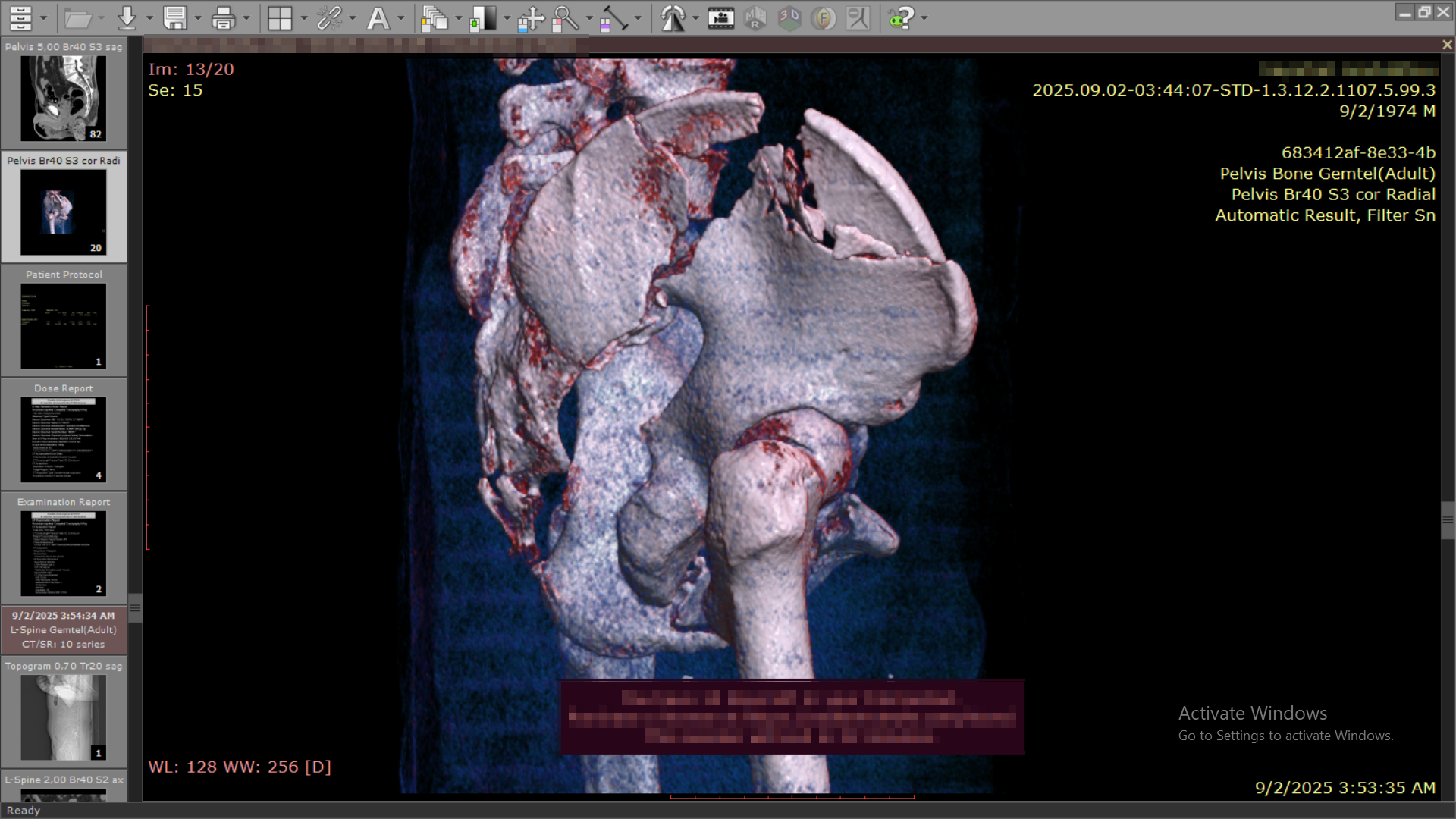
After a serious car accident left Mr. B in life-threatening condition, hospitals in several countries were unable to admit him because of the complexity of his injuries. Harbor Health coordinated with a multidisciplinary team at Beijing Jishuitan Hospital to support his transfer, treatment planning, and rehabilitation. The care team addressed bilateral comminuted pelvic fractures and a bladder rupture, helping him avoid long-term paralysis and regain the ability to walk.
Why China
Harbor Health connected the patient with appropriate Chinese medical resources, coordinated expert review, hospital access, interpretation, and treatment planning based on the case needs.
Treatment & Benefits
Life saved and mobility restored through multidisciplinary care.
Full Story
After a serious car accident left Mr. B in life-threatening condition, hospitals in several countries were unable to admit him because of the complexity of his injuries. Harbor Health coordinated his transfer and care with a multidisciplinary team at Beijing Jishuitan Hospital, supporting treatment that helped him avoid long-term paralysis and regain the ability to walk.
When hospitals in several countries could not admit him, the care team in China stepped in
Mr. B suffered from bilateral comminuted fractures of the pelvis and a ruptured bladder due to a car accident.
In Mongolia, Mr. B was diagnosed with bilateral comminuted pelvic fractures and a ruptured bladder. His condition was critical, and his family began contacting hospitals in Japan, South Korea, Thailand, and Turkey. Because the case required complex pelvic reconstruction and bladder repair, several institutions said they could not safely accept the transfer. After a broad search, the family contacted Harbor Health to explore treatment at Beijing Jishuitan Hospital, one of China's leading orthopedic centers.
After receiving the request, Harbor Health opened its international patient coordination process. Before Mr. B traveled, the team arranged an urgent review with orthopedic and urology specialists to assess his condition. Given the severity of his injuries and the risks of transfer, Harbor Health prepared airport arrival, medical transport, and admission arrangements in advance. When Mr. B landed at Beijing Capital International Airport, the ambulance team was waiting near the aircraft stairs and coordinated customs clearance, pickup, and hospital transfer to reduce avoidable movement and help preserve treatment time.
Surgical expertise and robotic assistance helped reduce additional injury risk.
For Mr. B's complex injuries, Beijing Jishuitan Hospital created an individualized plan that brought the orthopedic and urology teams together. Instead of a longer series of staged procedures, the team completed treatment in two operations. The first procedure reconstructed the pelvis, with the surgeon and a surgical robot working together to align the fractured pelvic structures and restore stability. After the initial surgery and intensive care period, Mr. B underwent laparoscopic bladder repair. This minimally invasive procedure addressed the bladder injury while reducing additional trauma and supporting postoperative recovery.
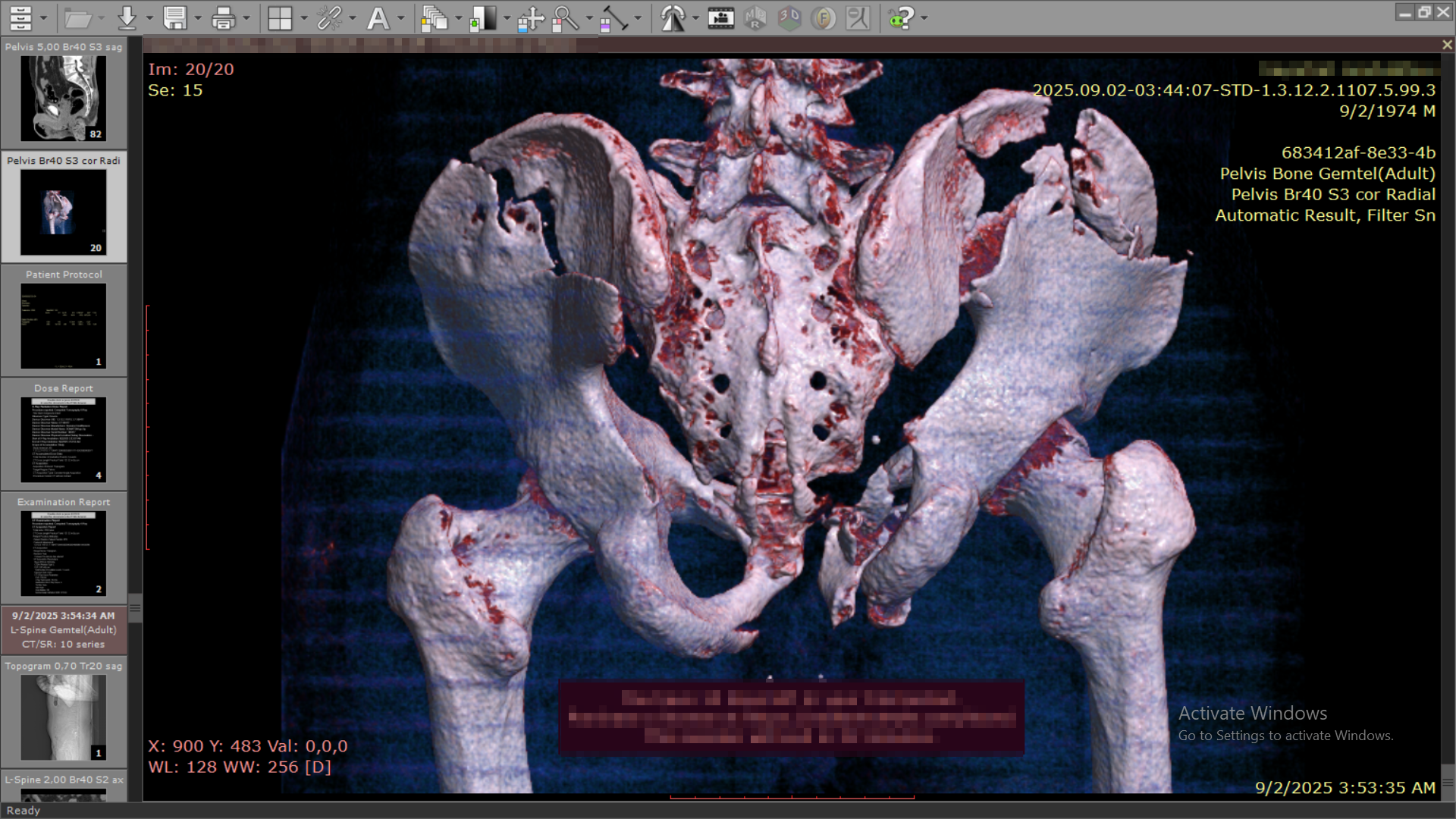
The image shows Mr. B thanking his physician at discharge.
Comprehensive support helped make a long postoperative recovery more manageable.
Throughout Mr. B's treatment and postoperative rehabilitation, Harbor Health worked with Beijing Jishuitan Hospital to support both medical care and day-to-day needs. The team helped the family rent an apartment, arrange basic living necessities, and secure a dedicated interpreter for medical conversations, rehabilitation guidance, and daily coordination. This support helped reduce language and logistics barriers during an extended cross-border care journey.
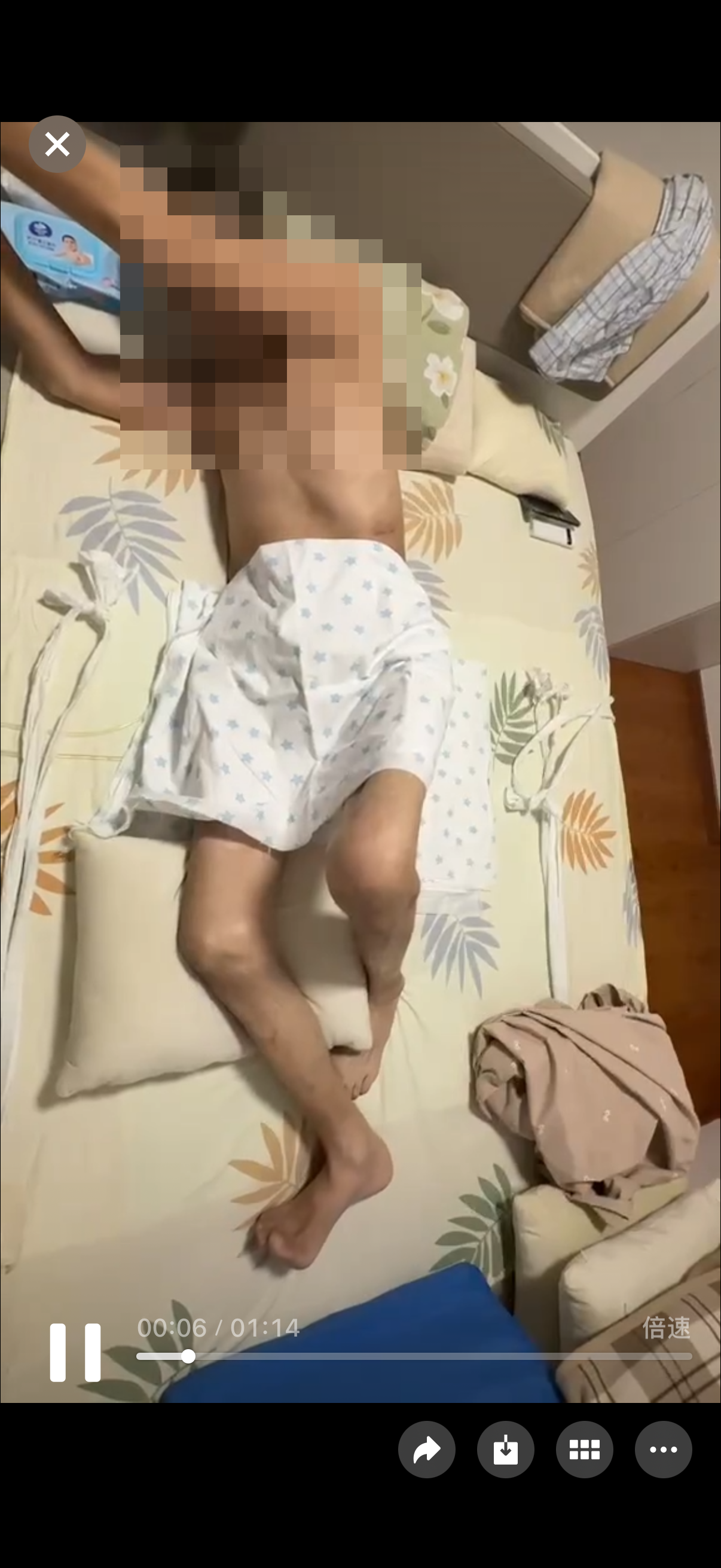
Pictured: Mr. B during recovery, after progressing from assisted turning to sitting up on his own.
After three months of treatment and rehabilitation, Mr. B's condition improved significantly. He avoided long-term paralysis and extended bed confinement, and he was able to sit up independently and walk with assistive devices as his overall function continued to recover.
Note: This international medical case was compiled from patient or family interviews. Important details and images have been protected to preserve privacy and data security.
For more information about medical travel to China or remote consultations with Chinese specialists, please contact Harbor Health.