S (pseudonym), a 6-year-old autistic child from Kazakhstan, recently completed various pre-assessment procedures in Beijing and began the innovative treatment of Fecal Microbiota Transplantation (FMT).
Case Profile
- Condition
- Autism spectrum disorder
- Patient
- S
- Age
- 6
- Hospital
- Beijing specialist center
- Nationality
- Kazakhstan
Case Overview
S (pseudonym), a 6-year-old autistic child from Kazakhstan, recently completed various pre-assessment procedures in Beijing and began the innovative treatment of Fecal Microbiota Transplantation (FMT).
Cause & Challenge
With increased health awareness and more scientific assessment methods, the discovery and diagnosis of childhood autism in contemporary society are becoming more and more timely; however, with the significant increase in cases of childhood autism, the challenges for families and society are also becoming increasingly prominent. Autism Spectrum Disorder (ASD) is a neurodevelopmental disorder characterized by social impairment and repetitive, stereotyped behaviors, often accompanied by other symptoms. For example, S, an autistic child, exhibits significant language delays in addition to typical social impairments. He also suffers from poor appetite, leading to malnutrition, weight loss, and constipation. Furthermore, due to the combined effects of medication and malnutrition, S's skin is more sensitive than that of typical children, frequently experiencing allergic reactions.
Why China
Harbor Health connected the patient with appropriate Chinese medical resources, coordinated expert review, hospital access, interpretation, and treatment planning based on the case needs.
Treatment & Benefits
Pre-treatment evaluation and FMT care pathway started.
Full Story
The Challenges of Autism
With increased health awareness and more scientific assessment methods, the discovery and diagnosis of childhood autism in contemporary society are becoming more and more timely; however, with the significant increase in cases of childhood autism, the challenges for families and society are also becoming increasingly prominent.
Autism Spectrum Disorder (ASD) is a neurodevelopmental disorder characterized by social impairment and repetitive, stereotyped behaviors, often accompanied by other symptoms. For example, S, an autistic child, exhibits significant language delays in addition to typical social impairments. He also suffers from poor appetite, leading to malnutrition, weight loss, and constipation. Furthermore, due to the combined effects of medication and malnutrition, S's skin is more sensitive than that of typical children, frequently experiencing allergic reactions.
Fecal Microbiota Transplantation (FMT) brings a ray of hope to children with autism.
In recent years, research has found that the gut microbiota communicates bidirectionally with the brain through the "gut-brain axis," playing an important role in the pathogenesis of ASD. Furthermore, the balance between excitatory and inhibitory signals (E/I) in brain neural activity is considered one of the core pathological mechanisms of ASD, and the disruption of this balance has been found to be related to the gut microbiota and its metabolites (such as propionic acid (PPA)).
Therefore, Fecal Microbiota Transplantation (FMT)—which involves transplanting gut microbiota from a qualified healthy donor to a patient—is considered a treatment strategy with great potential.
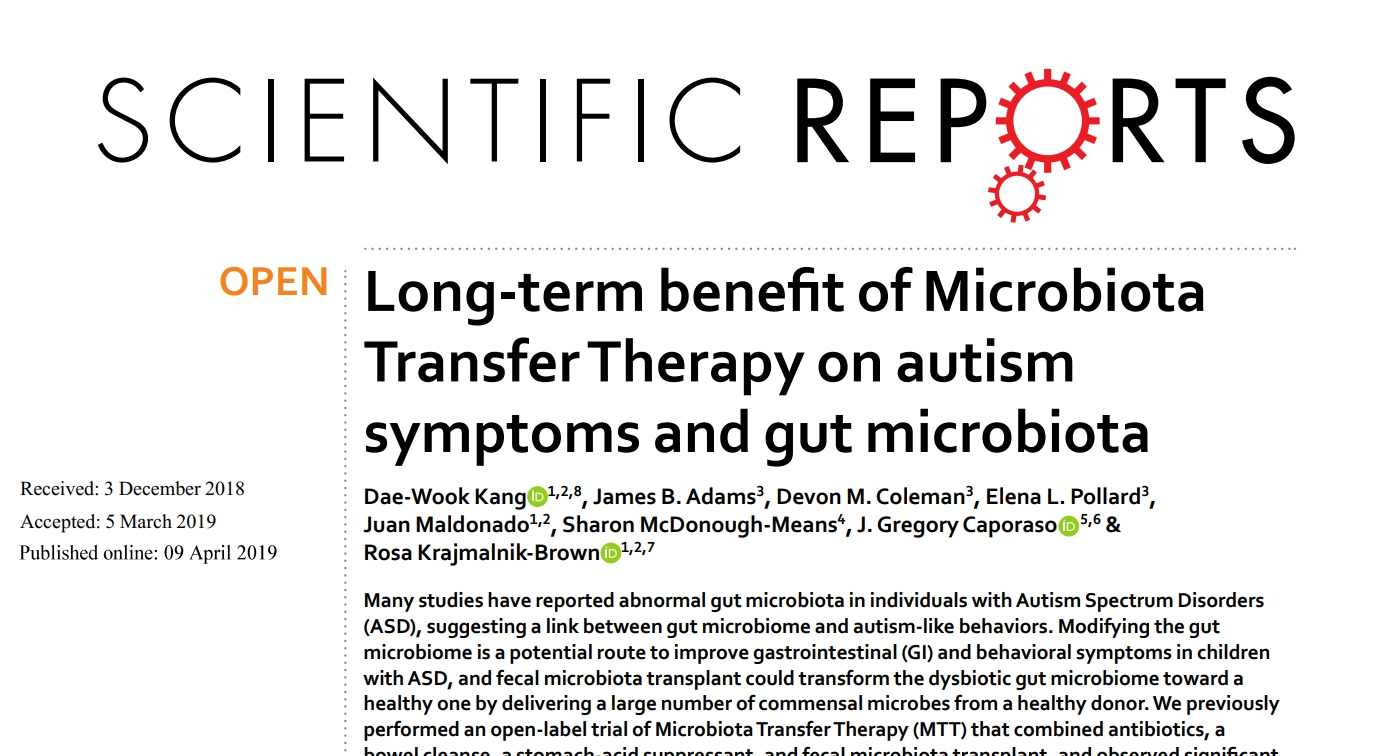
This treatment strategy was tested in a groundbreaking small clinical trial at Arizona State University, and the results were published in Scientific Reports:
Some academic studies on Fecal Microbiota Transplantation (FMT) and autism
The trial design included treatment of 18 children with moderate to severe ASD and serious gastrointestinal problems with FMT and conducting long-term follow-up.
The treatment process is as follows : first, a 2-week pretreatment (to clear some of the original bacteria), followed by one day of high-dose FMT or 7-8 weeks of low-dose FMT.
The trial results (follow-up after treatment and 2 years later) showed :
Gastrointestinal symptoms: The severity of gastrointestinal symptoms improved by an average of 80%.
Behavioral symptoms: At the end of treatment, the severity of autism symptoms decreased by an average of 22% according to assessments such as the Childhood Autism Rating Scale (CARS). Two years after the end of treatment, these improvements were not only maintained but also further improved (an average decrease of about 47%), indicating that the effects may be long-term.
Gut microbiota: The bacterial diversity in the gut of the affected children was significantly increased, and the proportion of beneficial bacteria remained at a high level even after 2 years.
However, we still need to note that: 1. This trial had a small sample size —— only 18 participants. Although the results are encouraging, large-scale clinical trials with hundreds of participants are still needed to validation. 2. There are significant individual differences: not all children responded, and the effectiveness varied from person to person.
A scientific and rigorous treatment process
After gaining a thorough understanding of Fecal Microbiota Transplantation (FMT) technology, the parents of S decided to try FMT as soon as possible while their child was still young. Understanding their needs, Harbor Health helped S and his family develop a treatment plan involving top hospitals and Fecal Microbiota Transplantation laboratory in Beijing.
After S and his family arrived in Beijing, he underwent a comprehensive evaluation before Fecal Microbiota Transplantation (FMT), including: brain MRI, chest X-ray, electrocardiogram, electroencephalogram, blood, urine and stool tests, myocardial enzymes, liver and kidney function and electrolyte tests, as well as assessments using the ASD scale and the Gastrointestinal Symptom Scale (GSRS).
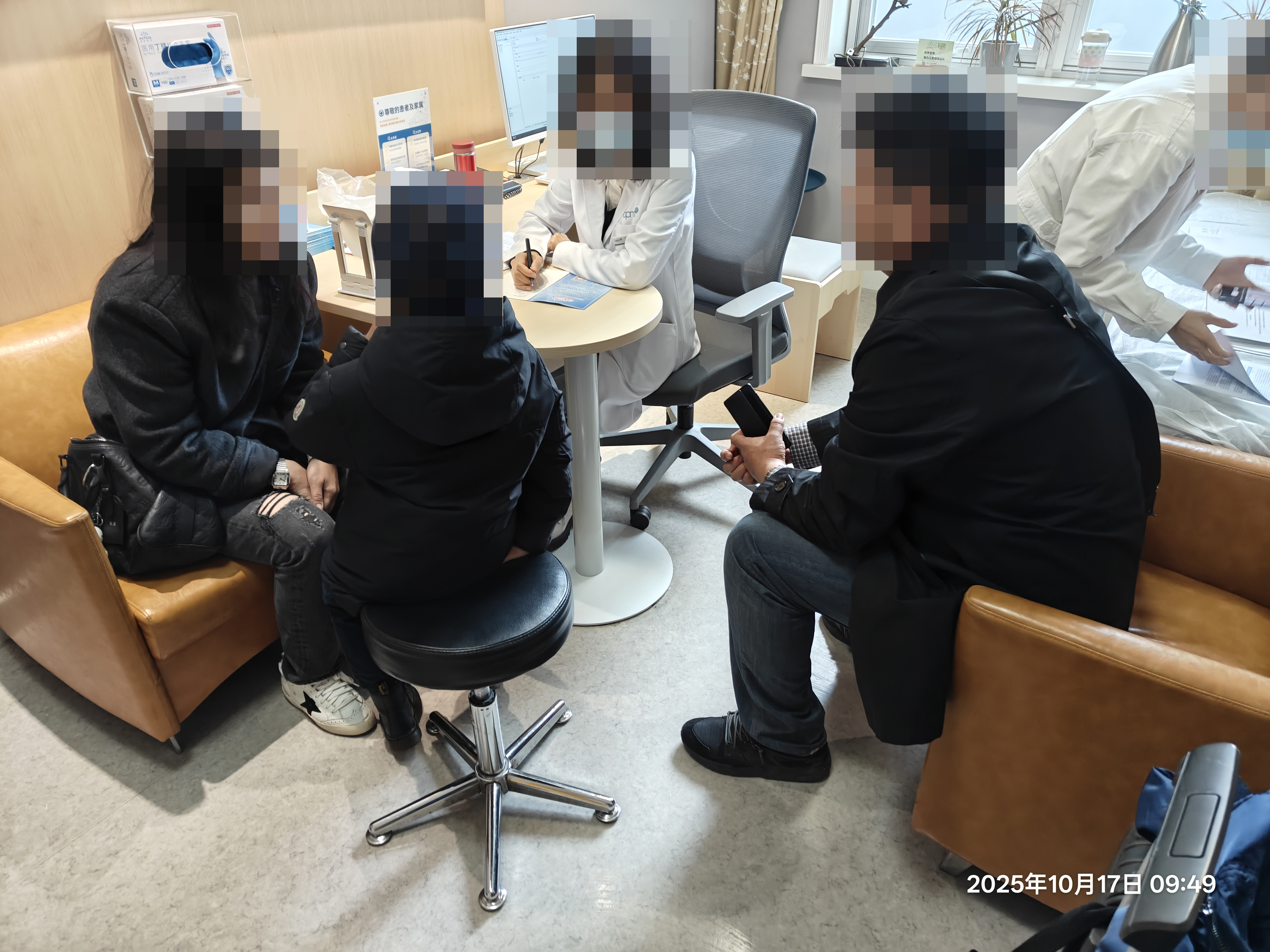
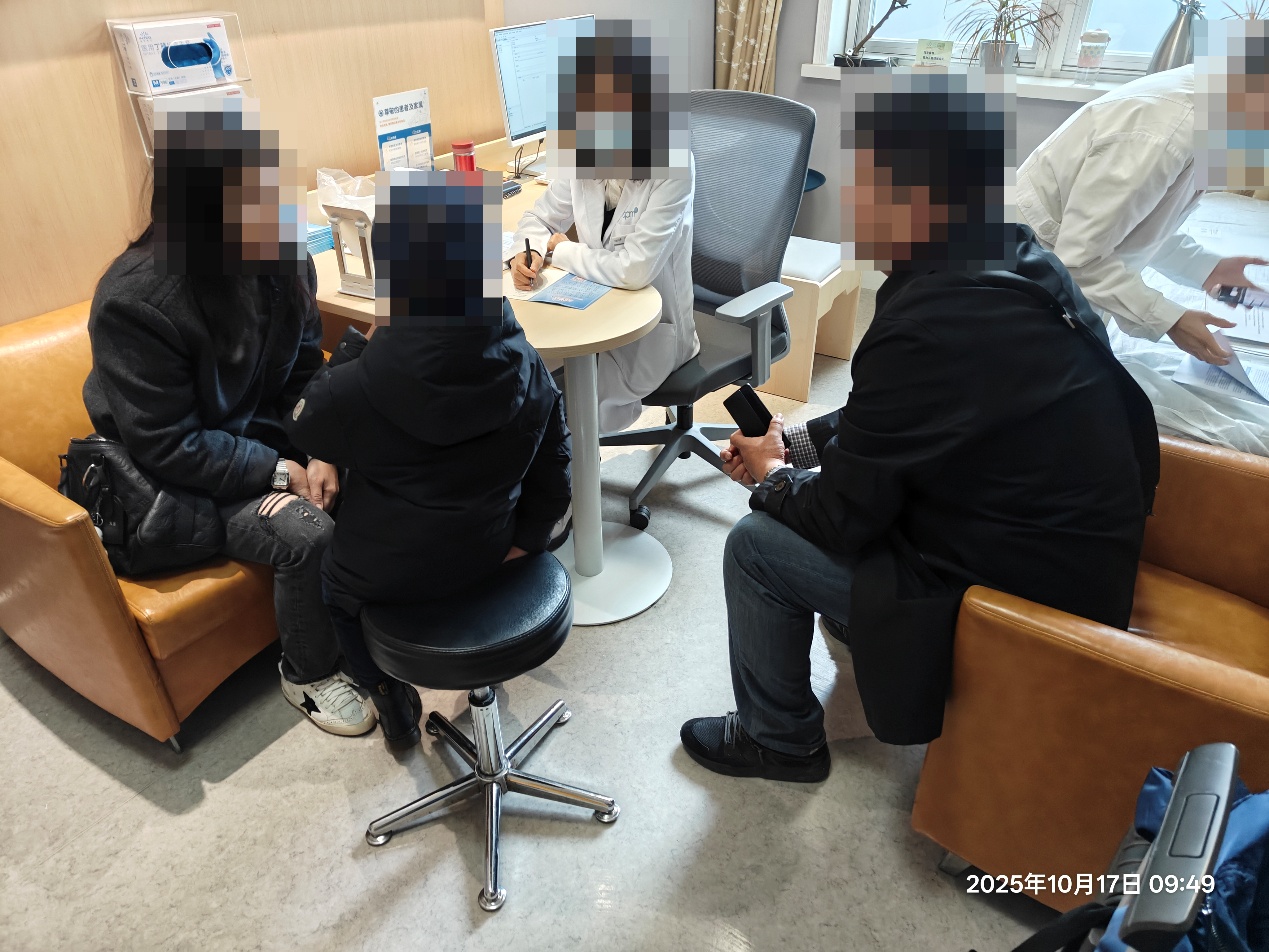
S underwent a comprehensive evaluation by doctors with the assistance of her mother and a staff from Harbor Health.
Following those assessments, S will proceed with stool sample collection. High-throughput sequencing of the stool samples will allow the laboratory to assess the complexity and diversity of the gut microbiota, covering 4219 species of bacteria, 64 species of fungi, 3987 species of viruses, and 86 species of parasites. The analysis also includes microbiota analysis related to autism, considering that gut microbiota influence brain function and behavior through the gut-microbe axis and are closely related to the occurrence and development of autism. This sequencing technology not only demonstrates the broad coverage and high sensitivity of the detection method but also reflects the profound insights gained from the analysis of gut microbiome diversity.
Meticulous treatment implementation
S's assessment and treatment were still challenging. Due to long-term intestinal disorders, the antibiotics that S was taking affected stool sample collection. Harbor Health, in collaboration with the attending physician and laboratory, developed a comprehensive plan including diet, medication, and travel, allowing S and his parents to return home and resume their daily lives with peace of mind. During this period, Harbor Health accurately identified the window for stool sampling and successfully completed S's stool sample collection. Following this, the laboratory quickly completed the screening and customized gut microbiota donor selection for S.
After Harbor Health delivered the custom-made enteric-coated capsules to S and her family, S has already initiated his Fecal Microbiota Transplantation and simultaneously begins daily rehabilitation and follow-up care. Harbor Health continues to provide him with professional medical consultation services.
Harbor Health kindly reminds that: Fecal Microbiota Transplantation is not a panacea for all children with autism. Its implementation requires rigorous scientific evaluation, strict control over the quality of the donor and recipient, and the colonization capacity of the gut microbiota. Therefore, service providers with extensive experience and strong technical capabilities are particularly important.
Note: This international medical case was compiled from patient or family interviews. Important details and images have been protected to preserve privacy and data security.
For more information about medical travel to China or remote consultations with Chinese specialists, please contact Harbor Health.